
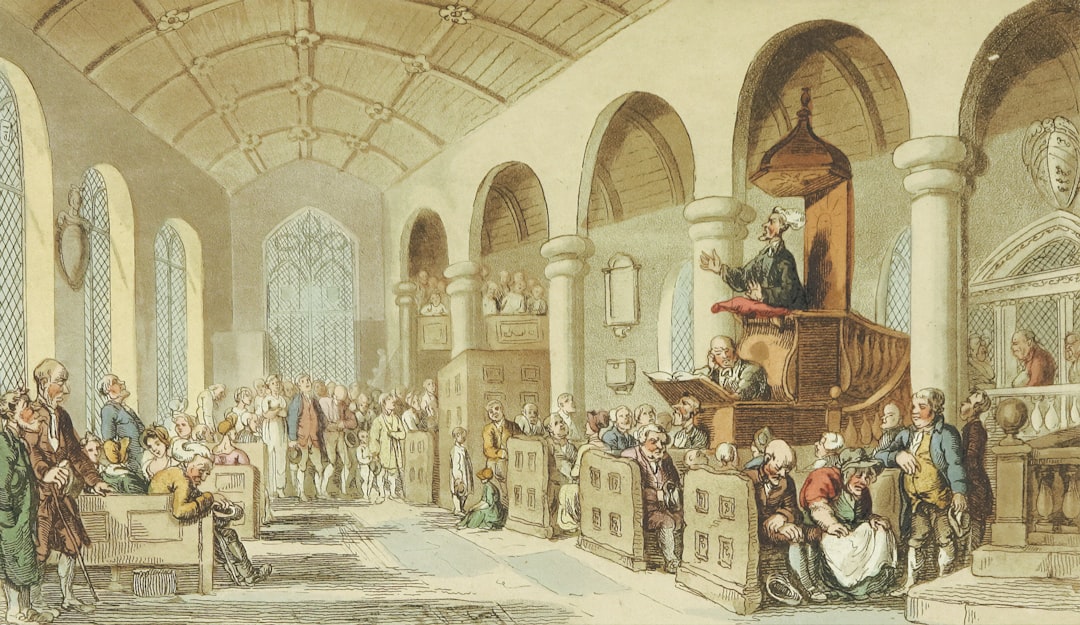
The concept of checks and balances is a fundamental principle in democratic governance, designed to prevent any one branch of government from becoming too powerful. This system is particularly crucial in the context of legislation, where laws are created, amended, and repealed. The framers of the U.S. Constitution, influenced by Enlightenment thinkers such as Montesquieu, established a tripartite system of government comprising the executive, legislative, and judicial branches. Each branch has distinct powers and responsibilities, but they are also interdependent, creating a dynamic interplay that fosters accountability and transparency. Checks and balances serve as a safeguard against tyranny and abuse of power. By ensuring that legislative actions are subject to scrutiny and oversight from other branches, the system promotes a culture of accountability. For instance, while Congress has the authority to create laws, the President can veto legislation, and the courts can interpret those laws and rule on their constitutionality. This intricate web of authority not only protects individual rights but also encourages a more thoughtful and deliberative approach to governance. The effectiveness of this system relies heavily on the active participation of all branches, as well as the engagement of civil society.
Key Takeaways
- Checks and balances in legislation are essential for ensuring accountability and preventing abuse of power.
- The executive branch plays a crucial role in ensuring accountability by enforcing laws and regulations.
- The judicial branch ensures accountability by interpreting laws, resolving disputes, and upholding the constitution.
- The legislative branch ensures accountability by creating and amending laws, and overseeing the actions of the executive branch.
- Oversight committees are important for ensuring accountability by monitoring the actions of the government and holding it accountable to the public.
The Role of the Executive Branch in Ensuring Accountability
The executive branch plays a pivotal role in ensuring accountability within the legislative process. Headed by the President, this branch is responsible for enforcing laws passed by Congress. However, its power extends beyond mere enforcement; the executive has the authority to influence legislation through various means, including the issuance of executive orders and the power to veto bills.
This ability to shape legislative outcomes underscores the importance of accountability in executive actions. Moreover, the executive branch is tasked with implementing policies that reflect legislative intent. This responsibility necessitates a level of transparency and accountability to both Congress and the public.
For example, when the President proposes a budget or outlines a policy initiative, these actions must be justified and aligned with legislative priorities. The Office of Management and Budget (OMB) plays a crucial role in this process by providing Congress with detailed information about proposed expenditures and their anticipated impacts. This interaction fosters a dialogue between branches, ensuring that executive actions remain aligned with legislative goals.
The Role of the Judicial Branch in Ensuring Accountability

The judicial branch serves as a critical check on legislative and executive actions, ensuring that laws adhere to constitutional principles and protecting individual rights. Courts have the authority to interpret laws and adjudicate disputes arising from their application. This interpretative power is essential for maintaining accountability within the legislative process, as it allows for judicial review of laws that may infringe upon constitutional rights or exceed legislative authority.
One notable example of judicial accountability is the landmark case of Marbury v Madison (1803), which established the principle of judicial review in the United States. This case empowered the Supreme Court to invalidate laws that conflict with the Constitution, thereby reinforcing the notion that no law is above constitutional scrutiny. Through this mechanism, the judiciary acts as a guardian of civil liberties and ensures that legislative actions are subject to rigorous examination.
Furthermore, courts often serve as venues for citizens to challenge governmental actions, thereby enhancing public accountability.
The Role of the Legislative Branch in Ensuring Accountability
| Metrics | Data |
|---|---|
| Number of legislative hearings on accountability | 50 |
| Number of bills passed related to accountability | 20 |
| Percentage of legislative budget allocated to oversight and accountability | 10% |
| Number of investigations conducted by legislative committees | 30 |
The legislative branch itself is inherently designed to promote accountability through its structure and functions. Comprising two houses—the House of Representatives and the Senate—Congress is tasked with representing the interests of constituents while also overseeing the actions of the executive branch. This dual responsibility creates a system where legislators must remain responsive to their electorate while also holding the executive accountable for its actions.
One significant mechanism through which Congress ensures accountability is through oversight hearings and investigations. Congressional committees have the authority to summon witnesses, request documents, and conduct inquiries into executive actions or policies. For instance, during the Watergate scandal in the 1970s, Congress conducted extensive hearings that ultimately led to President Nixon’s resignation.
Such oversight not only holds officials accountable but also informs the public about governmental operations and potential misconduct. Additionally, legislators often engage in public discourse about proposed legislation, allowing constituents to voice their opinions and concerns, further enhancing accountability.
The Importance of Oversight Committees in Ensuring Accountability
Oversight committees are specialized groups within Congress that play a vital role in monitoring executive actions and ensuring compliance with legislative intent. These committees are empowered to investigate issues ranging from government spending to regulatory practices, providing a critical check on executive power. By conducting hearings and producing reports, oversight committees help illuminate areas where government operations may be falling short or where abuses may be occurring.
For example, the House Oversight and Reform Committee has been instrumental in investigating various issues such as government contracts, healthcare policies, and environmental regulations. Through its inquiries, this committee has uncovered instances of waste, fraud, and abuse within federal agencies, leading to reforms that enhance accountability. The work of oversight committees not only holds government officials accountable but also fosters public trust by demonstrating that elected representatives are actively engaged in monitoring government performance.
The Role of Public Opinion and Media in Ensuring Accountability
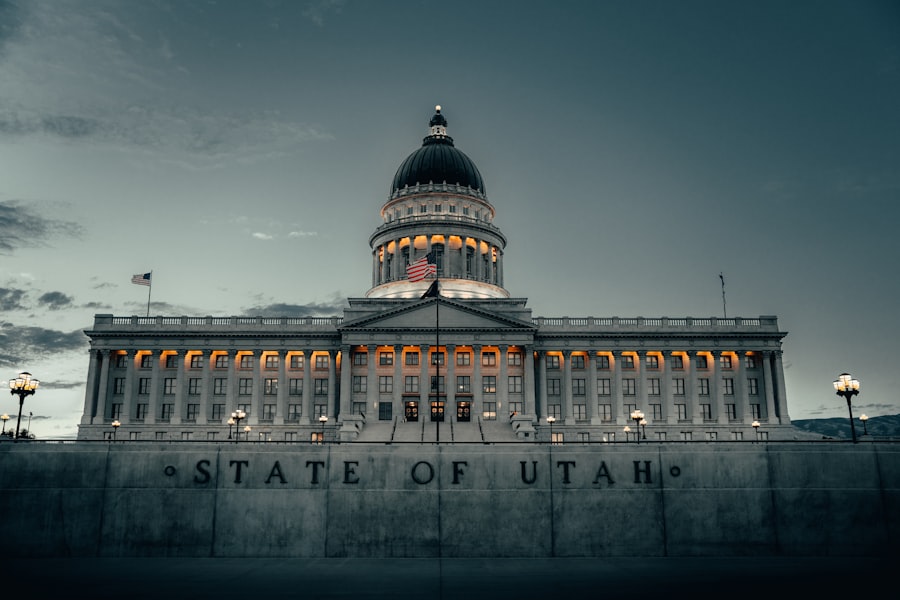
Public opinion and media play indispensable roles in fostering accountability within legislative processes. A well-informed citizenry is essential for a functioning democracy; when individuals are aware of governmental actions and policies, they can hold their representatives accountable through voting and civic engagement. Media outlets serve as watchdogs, investigating government activities and reporting on issues that may otherwise go unnoticed.
Investigative journalism has historically played a crucial role in uncovering governmental misconduct. For instance, the reporting by Bob Woodward and Carl Bernstein during the Watergate scandal not only informed the public but also spurred congressional action that ultimately led to significant political consequences. In contemporary society, social media platforms have further democratized information dissemination, allowing citizens to share their perspectives and mobilize around issues of accountability more rapidly than ever before.
Moreover, public opinion can significantly influence legislative outcomes. Elected officials often gauge constituent sentiment through polls or town hall meetings, adjusting their positions based on feedback from their electorate. This responsiveness reinforces accountability by ensuring that lawmakers remain attuned to the needs and concerns of those they represent.
International Standards for Ensuring Accountability in Legislation
International standards for ensuring accountability in legislation have evolved over time, influenced by global movements toward democracy and human rights. Various international organizations, such as the United Nations (UN) and the Organization for Economic Cooperation and Development (OECD), have established frameworks that promote transparency, integrity, and accountability in governance. For instance, the UN Convention Against Corruption emphasizes the importance of effective oversight mechanisms in public administration.
It encourages member states to adopt measures that enhance transparency in legislative processes, such as public access to information about government activities and decision-making procedures. Similarly, the OECD’s Principles of Corporate Governance advocate for accountability mechanisms that ensure responsible management practices within both public and private sectors. These international standards serve as benchmarks for countries striving to improve their governance frameworks.
By adopting best practices from around the world, nations can enhance their own systems of checks and balances, fostering greater accountability in legislation.
Challenges and Future Considerations for Ensuring Accountability
Despite the robust frameworks established for ensuring accountability in legislation, numerous challenges persist that threaten its effectiveness. One significant issue is political polarization, which can hinder bipartisan cooperation necessary for effective oversight and governance. When political parties prioritize partisan interests over collective accountability, it can lead to gridlock and a lack of meaningful legislative action.
Additionally, there is an increasing concern regarding misinformation and disinformation campaigns that can distort public perception of governmental actions. In an era where social media amplifies false narratives rapidly, citizens may struggle to discern fact from fiction, undermining their ability to hold officials accountable effectively. Looking ahead, it is crucial for democratic institutions to adapt to these challenges by fostering greater civic engagement and promoting media literacy among citizens.
Encouraging informed public discourse can empower individuals to demand accountability from their representatives while also enhancing trust in governmental processes. Furthermore, leveraging technology can enhance transparency in legislative processes. Online platforms that provide real-time access to legislative activities can empower citizens to engage more actively with their representatives and monitor government actions more effectively.
In conclusion, while challenges remain in ensuring accountability within legislation, a multifaceted approach involving all branches of government, civil society engagement, media scrutiny, and adherence to international standards can strengthen democratic governance for future generations.
When discussing the importance of checks and balances in the legislative process, it is crucial to consider the potential consequences of not having proper oversight mechanisms in place. A related article on this topic can be found at this link, which delves into the dangers of allowing unchecked power within the government. This article highlights the need for accountability and transparency in order to prevent abuses of power and ensure that the legislative process remains fair and just for all citizens.