
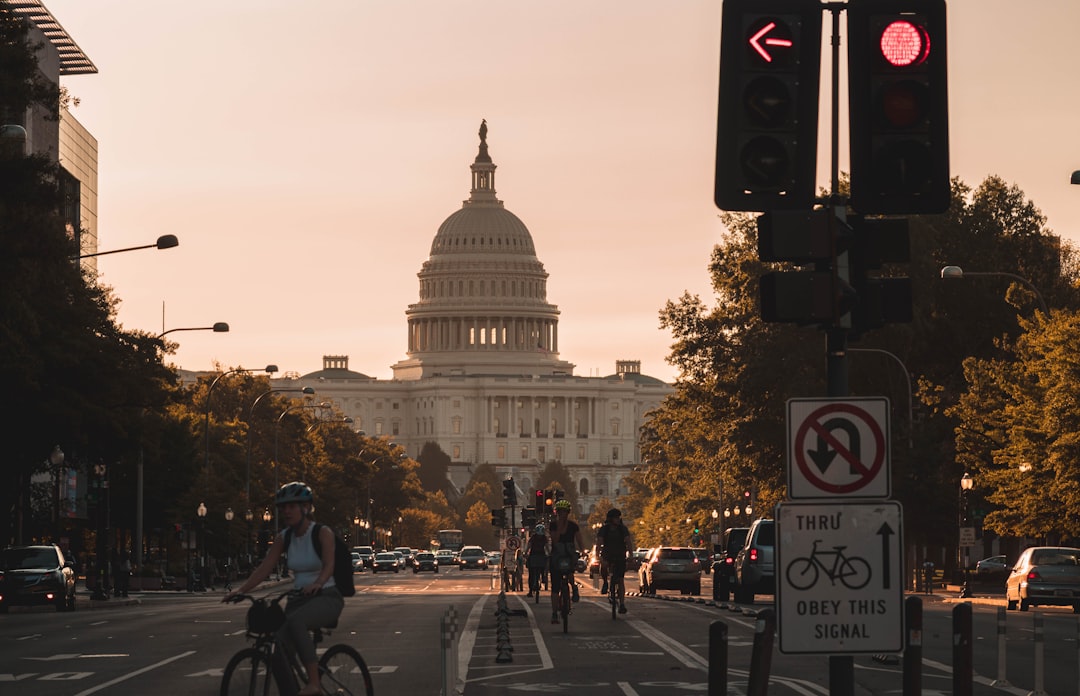
The economic impact of government operations is profound and far-reaching, influencing various sectors and communities across the nation. When government services are functioning smoothly, they contribute significantly to the overall economic stability and growth. You may not realize it, but every time you pay taxes, you are investing in a system that supports infrastructure, public safety, and essential services that keep the economy running.
The ripple effect of government spending can be seen in job creation, consumer confidence, and overall economic activity. When government agencies are fully operational, they can effectively allocate resources, fund projects, and stimulate local economies. Conversely, when there are disruptions in government services—such as during a shutdown or budget impasse—the economic consequences can be severe.
You might notice a slowdown in public projects, delays in permits, and a halt in essential services that can lead to job losses and decreased consumer spending. The uncertainty created by such disruptions can also affect business investments and consumer confidence, leading to a broader economic downturn. The interconnectedness of government operations and the economy underscores the importance of maintaining a stable and functional governmental framework to ensure continued growth and prosperity.
Key Takeaways
- Economic Impact:
- The government shutdown has led to a loss of income for federal workers and contractors, impacting consumer spending and overall economic growth.
- Social Services:
- The shutdown has disrupted social services such as food assistance programs and housing support, affecting vulnerable populations.
- National Parks and Monuments:
- Closure of national parks and monuments has resulted in lost tourism revenue and environmental damage due to lack of maintenance.
- Federal Employees:
- Federal employees have faced financial hardship and uncertainty due to furloughs and delayed paychecks.
- Small Businesses:
- Small businesses that rely on government contracts or tourism near national parks have experienced a decline in revenue.
Social Services
Social services play a crucial role in supporting vulnerable populations and ensuring that basic needs are met within communities. You may not always see the direct impact of these services, but they are vital for individuals and families facing hardships. Programs such as food assistance, housing support, and mental health services provide a safety net for those in need.
When these services are adequately funded and operational, they help reduce poverty levels, improve quality of life, and foster social cohesion. You might find it reassuring to know that these programs not only assist individuals but also contribute to the overall health of society by promoting stability and reducing crime rates. However, when social services face cuts or operational challenges, the consequences can be dire.
You may witness an increase in homelessness, food insecurity, and mental health crises as individuals struggle to access the support they need. The strain on social services can lead to longer wait times for assistance and reduced program availability, leaving many without the help they require. This not only affects those directly impacted but also places additional burdens on local communities and healthcare systems.
The importance of robust social services cannot be overstated; they are essential for fostering a healthy, productive society where everyone has the opportunity to thrive.
National Parks and Monuments

National parks and monuments are treasures that offer recreational opportunities, preserve natural beauty, and protect biodiversity. You may have fond memories of visiting these sites, hiking through majestic landscapes, or simply enjoying the tranquility of nature. These areas not only provide a space for outdoor activities but also contribute significantly to local economies through tourism.
When national parks are well-maintained and accessible, they attract millions of visitors each year, generating revenue for surrounding communities through lodging, dining, and recreational services. However, when funding for national parks is cut or when government operations are disrupted, the effects can be detrimental. You might notice park closures or reduced services during your visits, which can diminish the overall experience for tourists and locals alike.
Additionally, maintenance issues can arise, leading to deteriorating facilities and trails that detract from the natural beauty of these areas. The preservation of national parks is not just about protecting landscapes; it is also about sustaining the economic benefits they provide to communities and ensuring that future generations can enjoy these natural wonders.
Federal Employees
| Year | Number of Federal Employees | Total Federal Payroll |
|---|---|---|
| 2015 | 2,711,000 | 121.6 billion |
| 2016 | 2,804,000 | 124.4 billion |
| 2017 | 2,810,000 | 127.3 billion |
Federal employees are the backbone of government operations, working diligently to ensure that essential services are delivered effectively. You may not always see their efforts firsthand, but their work impacts your daily life in countless ways—from processing tax returns to managing public safety initiatives. These dedicated individuals often face unique challenges in their roles, including navigating bureaucratic processes and adapting to changing policies.
Their commitment to public service is commendable and plays a vital role in maintaining the functionality of government. When federal employees face disruptions—such as furloughs or budget cuts—the consequences can be felt across various sectors. You might experience delays in service delivery or reduced access to essential programs as agencies struggle to operate with limited resources.
The morale of federal employees can also suffer during these times, leading to decreased productivity and job satisfaction. Recognizing the importance of federal employees is crucial; they are not just workers but essential contributors to the well-being of society as a whole.
Small Businesses
Small businesses are often referred to as the backbone of the economy, providing jobs and fostering innovation within communities. You may have noticed how local shops and service providers contribute to the unique character of your neighborhood while also driving economic growth. When government policies support small businesses—through grants, loans, or tax incentives—it creates an environment where entrepreneurship can thrive.
This support is vital for job creation and economic resilience, allowing small businesses to adapt to changing market conditions. However, when government services that support small businesses are disrupted or underfunded, the impact can be significant. You might see fewer resources available for business development programs or delays in loan processing that hinder growth opportunities.
Additionally, uncertainty surrounding regulations can create challenges for small business owners trying to navigate compliance requirements. The health of small businesses is closely tied to government support; ensuring that these enterprises have access to necessary resources is essential for fostering a vibrant economy.
Healthcare Services

Healthcare services are a fundamental aspect of public welfare, ensuring that individuals have access to necessary medical care and support. You may rely on various healthcare programs—such as Medicare or Medicaid—for your health needs or those of your loved ones. These programs play a critical role in providing coverage for millions of Americans, helping to reduce financial barriers to care.
When healthcare services are adequately funded and operational, they contribute to improved health outcomes and overall community well-being. However, disruptions in healthcare services can have dire consequences for individuals who depend on them. You might experience longer wait times for appointments or reduced access to essential treatments during periods of budget cuts or operational challenges.
The strain on healthcare systems can lead to increased costs for patients and families as they seek alternative care options. Ensuring that healthcare services remain robust and accessible is vital for maintaining public health and supporting individuals in their times of need.
Immigration Services
Immigration services play a crucial role in shaping the demographic landscape of the nation while providing pathways for individuals seeking new opportunities. You may know someone who has benefited from immigration programs or perhaps have experienced the process yourself. These services facilitate family reunification, workforce development, and cultural exchange—enriching communities across the country.
When immigration services operate efficiently, they contribute to economic growth by filling labor shortages and fostering diversity. However, when immigration services face disruptions or policy changes, the effects can be profound. You might witness increased backlogs in processing applications or uncertainty surrounding immigration status for individuals seeking legal residency.
This instability can create anxiety for families and communities as they navigate complex legal systems. Recognizing the importance of effective immigration services is essential; they not only support individuals seeking a better life but also contribute to the nation’s cultural fabric and economic vitality.
Education and Research Funding
Education and research funding are critical components of societal advancement, shaping future generations while driving innovation and discovery. You may have experienced firsthand the impact of educational programs—whether through K-12 schooling or higher education institutions—on your personal development or career trajectory. Adequate funding for education ensures that students have access to quality resources, experienced educators, and enriching extracurricular activities that foster growth.
When education funding is cut or research grants are reduced, the consequences can be far-reaching. You might notice larger class sizes, outdated materials, or limited access to advanced courses that hinder student learning opportunities. In research institutions, reduced funding can stifle innovation and limit breakthroughs that could benefit society as a whole.
The importance of investing in education and research cannot be overstated; it is essential for cultivating an informed citizenry capable of addressing complex challenges while driving progress in various fields. In conclusion, the interconnectedness of government operations with various sectors highlights the importance of maintaining a stable and functional system. From economic impacts to social services and education funding, each aspect plays a vital role in shaping your community and enhancing your quality of life.
Understanding these connections empowers you to advocate for policies that support robust government operations while recognizing the value of public service in fostering a thriving society.
The effects of a government shutdown on citizens can be profound and far-reaching, impacting everything from federal employees’ paychecks to the availability of public services. During a shutdown, many government operations come to a halt, which can delay essential services and create uncertainty for those who rely on them. For a deeper understanding of how these shutdowns can affect everyday life, you might find this related article insightful: They Simply Dummy the Printing. This article explores the broader implications of government inaction and its ripple effects on society.