

In recent years, the world has witnessed a significant surge in resistance movements across various regions, driven by a collective desire for change and justice. This rise can be attributed to a confluence of factors, including widespread discontent with political systems, economic inequality, and social injustices. As marginalized communities and disenfranchised individuals began to voice their grievances, a powerful wave of activism emerged, uniting people from diverse backgrounds under a common banner of resistance.
This movement has not only challenged existing power structures but has also inspired a new generation of activists to engage in the fight for equity and human rights. The emergence of the resistance movement has been marked by its ability to adapt and respond to the unique challenges faced by different communities. From the streets of major cities to rural areas, individuals have come together to demand accountability from their leaders and to advocate for systemic change.
The movement has transcended geographical boundaries, as people have recognized that their struggles are interconnected. This realization has fostered a sense of solidarity among various groups, leading to a more robust and inclusive resistance that seeks to address the root causes of oppression and inequality.
Key Takeaways
- The resistance movement has seen a significant rise in response to various social and political issues.
- Grassroots organizing and activism have played a crucial role in mobilizing and empowering communities to take action.
- Political opposition and legal challenges have been utilized to challenge and change existing systems and policies.
- Social media and online activism have provided a platform for individuals to amplify their voices and connect with like-minded individuals.
- International solidarity and support have strengthened the resistance movement and brought attention to global issues.
Grassroots Organizing and Activism
At the heart of the resistance movement lies grassroots organizing, which serves as the backbone for mobilizing communities and fostering collective action. Grassroots activists have played a pivotal role in raising awareness about pressing social issues, often working tirelessly to educate their peers and build coalitions. These efforts are characterized by a bottom-up approach, where local leaders emerge from within communities to spearhead initiatives that resonate with their specific needs and aspirations.
By prioritizing community engagement and participation, grassroots organizing has proven to be an effective strategy for enacting change. Moreover, grassroots activism has empowered individuals who may have previously felt powerless in the face of systemic oppression. Through workshops, community meetings, and collaborative projects, activists have cultivated a sense of agency among participants, encouraging them to take ownership of their struggles.
This empowerment is crucial in fostering resilience within communities, as it enables individuals to envision a future where they can actively shape their destinies. As grassroots movements continue to grow, they are increasingly recognized as vital players in the broader resistance landscape, capable of influencing policy decisions and challenging entrenched power dynamics.
Political Opposition and Legal Challenges
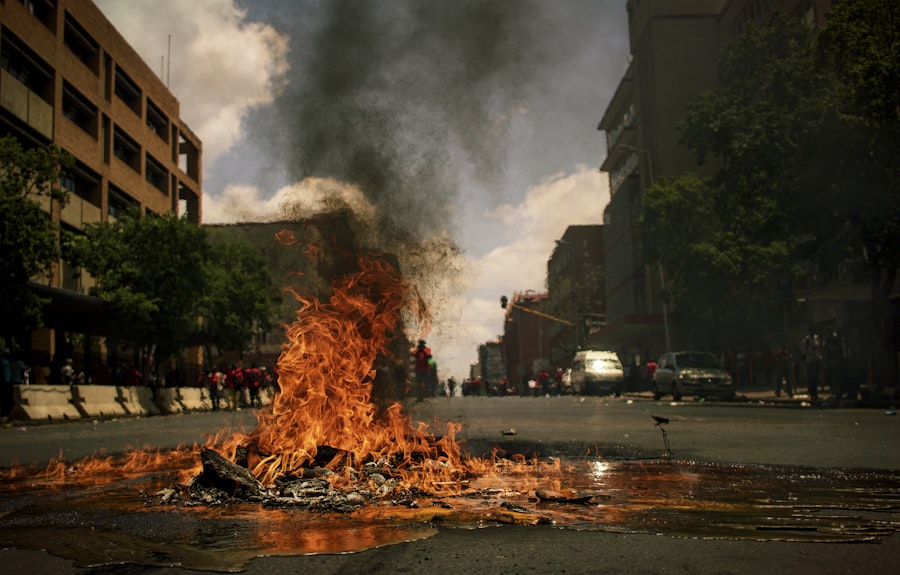
As the resistance movement gains momentum, it inevitably encounters political opposition and legal challenges that seek to undermine its efforts. Governments and institutions often respond to grassroots activism with a mix of repression and co-optation, attempting to stifle dissent through legislation or force. In many cases, activists face harassment, surveillance, and even arrest as they push back against oppressive systems.
This adversarial relationship between the state and the resistance underscores the stakes involved in the fight for justice and equality. Legal challenges also play a significant role in shaping the trajectory of the resistance movement. Activists frequently find themselves navigating complex legal landscapes as they seek to protect their rights to assemble, protest, and express dissent.
In some instances, courts have become battlegrounds for social justice issues, with landmark cases setting precedents that can either bolster or hinder the movement’s progress. The interplay between political opposition and legal challenges highlights the importance of strategic advocacy and coalition-building among activists, as they work to counteract efforts aimed at silencing their voices.
Social Media and Online Activism
| Platform | Number of Users (in millions) | Engagement Rate (%) |
|---|---|---|
| 2800 | 7.6 | |
| 330 | 3.2 | |
| 1000 | 6.7 | |
| 740 | 4.1 |
In an age defined by digital connectivity, social media has emerged as a powerful tool for amplifying the voices of resistance movements worldwide. Platforms such as Twitter, Facebook, and Instagram have enabled activists to share their stories, mobilize supporters, and raise awareness about critical issues in real time. The viral nature of online content allows for rapid dissemination of information, making it possible for grassroots movements to reach global audiences and garner international support.
This digital landscape has transformed the way activism is conducted, breaking down geographical barriers and fostering a sense of global solidarity. However, while social media offers unprecedented opportunities for engagement, it also presents challenges that activists must navigate. The spread of misinformation, online harassment, and algorithmic biases can undermine the effectiveness of digital campaigns.
Activists must remain vigilant in their efforts to counteract these obstacles while leveraging social media’s potential for organizing and advocacy. By harnessing the power of online platforms strategically, resistance movements can create impactful narratives that resonate with diverse audiences and inspire collective action both online and offline.
International Solidarity and Support
The resistance movement is not confined to national borders; it thrives on international solidarity and support from like-minded individuals and organizations around the globe. As activists confront similar struggles against oppression and injustice in different contexts, they often find strength in shared experiences and mutual aid. This interconnectedness fosters a sense of global community among those fighting for human rights, environmental justice, and social equity.
International solidarity can take many forms, from financial support for grassroots initiatives to collaborative campaigns that amplify marginalized voices. Furthermore, international support can serve as a powerful counterbalance to oppressive regimes that seek to isolate dissenting voices. When activists receive recognition and backing from global allies, it not only bolsters their morale but also places pressure on governments to respect human rights and uphold democratic principles.
The exchange of strategies and resources among resistance movements worldwide enriches the collective struggle for justice, demonstrating that while local contexts may differ, the fight against oppression is universal.
Creative Forms of Protest and Civil Disobedience

Creative Expression as a Form of Activism
As resistance movements evolve, they are adopting innovative methods of protest and civil disobedience. Activists are using creative forms of expression to convey their messages and engage broader audiences. From art installations and street performances to music festivals and flash mobs, these approaches capture public attention while challenging conventional notions of protest.
The Power of Civil Disobedience
Civil disobedience remains a cornerstone of many resistance movements, serving as a powerful tool for challenging unjust laws and policies. Nonviolent acts of defiance, such as sit-ins, blockades, or boycotts, have historically played a crucial role in advancing social change. These actions not only disrupt the status quo but also invite public discourse around critical issues.
Cultivating a Dynamic Movement
By embracing creative forms of protest alongside traditional methods, activists can cultivate a dynamic movement that resonates with diverse audiences while remaining committed to their core principles of justice and equality. This fusion of creativity and activism can transcend traditional boundaries, inspiring individuals who may not otherwise engage with political issues.
Intersectionality and Coalition Building
A defining characteristic of contemporary resistance movements is their commitment to intersectionality—a framework that recognizes how various forms of oppression intersect and impact individuals differently based on their identities. By embracing intersectionality, activists acknowledge that struggles for justice are not monolithic; rather, they are shaped by factors such as race, gender, class, sexuality, and ability. This understanding fosters inclusivity within movements, allowing for coalition building among diverse groups who share common goals while respecting each other’s unique experiences.
Coalition building is essential for amplifying marginalized voices within the resistance movement. By forming alliances across different social justice issues—such as racial justice, environmentalism, LGBTQ+ rights, and labor rights—activists can create a more comprehensive approach to addressing systemic inequalities. These coalitions not only strengthen individual movements but also challenge the fragmentation that often plagues social justice efforts.
As activists work together toward shared objectives, they cultivate solidarity that transcends differences and fosters a more unified front against oppression.
The Future of the Resistance Movement
Looking ahead, the future of the resistance movement appears both promising and challenging. As new generations of activists emerge with fresh perspectives and innovative strategies, there is potential for transformative change on a global scale. However, this potential is tempered by ongoing threats from authoritarian regimes, economic instability, and climate crises that disproportionately affect marginalized communities.
The resilience demonstrated by activists thus far suggests that they will continue to adapt and evolve in response to these challenges. Ultimately, the future of the resistance movement will depend on its ability to remain inclusive and intersectional while fostering solidarity across diverse struggles. By prioritizing collaboration over competition among various social justice issues, activists can build a more robust movement capable of addressing the complexities of systemic oppression.
As they navigate an ever-changing landscape marked by both opportunities and obstacles, the commitment to justice will remain at the heart of their endeavors—driving them forward in their quest for a more equitable world for all.
For Trump opponents looking for insightful commentary on current events, they may find the article “Hello World” on Patriot Blog to be a thought-provoking read. This article delves into the complexities of the political landscape and offers a unique perspective on the challenges facing those who oppose the former president. To read more, check out the article here.