

A government shutdown is a significant event that can disrupt the normal functioning of a nation. It occurs when Congress fails to pass legislation funding government operations and agencies, leading to a halt in non-essential services. You may find it surprising how such a situation can arise, given the critical role that government plays in everyday life.
The implications of a shutdown extend beyond just the immediate cessation of services; they can ripple through various sectors of society, affecting everything from federal employees to local businesses. As you delve into the complexities of a government shutdown, it becomes clear that it is not merely a bureaucratic hiccup but a reflection of deeper political divisions. The reasons behind a shutdown often stem from contentious negotiations over budgetary priorities, policy disagreements, or ideological clashes between political parties.
Understanding these dynamics is essential for grasping the broader implications of such an event on the nation as a whole.
Key Takeaways
- The government shutdown occurs when Congress fails to pass a budget or a continuing resolution, leading to the temporary closure of non-essential government services.
- The events leading up to the shutdown often involve political gridlock and disagreements over budget priorities, with both parties blaming each other for the impasse.
- The shutdown has a significant impact on government services, including the closure of national parks, delays in tax refunds, and furloughs for federal employees.
- Efforts to end the shutdown typically involve negotiations between the President and Congress, with both sides seeking to gain leverage in order to reach a compromise.
- The economic impact of the shutdown can be substantial, with billions of dollars in lost productivity and consumer confidence taking a hit.
The Events Leading Up to the Shutdown
In the lead-up to a government shutdown, a series of events typically unfold that set the stage for this dramatic turn of events. You might recall that negotiations over budget proposals often begin months in advance, with lawmakers attempting to reach a consensus on spending priorities. However, as deadlines approach, partisan disagreements can intensify, leading to a stalemate.
This is often exacerbated by external pressures, such as public opinion or looming elections, which can further complicate negotiations. As tensions rise, you may notice that the media plays a crucial role in shaping public perception of the impending shutdown. News outlets often highlight the stakes involved, focusing on the potential consequences for federal employees and essential services.
This heightened scrutiny can create an atmosphere of urgency, prompting lawmakers to either dig in their heels or seek compromise. Ultimately, when negotiations break down and no agreement is reached by the deadline, the government is forced to shut down, leaving millions wondering what comes next.
The Impact of the Shutdown on Government Services
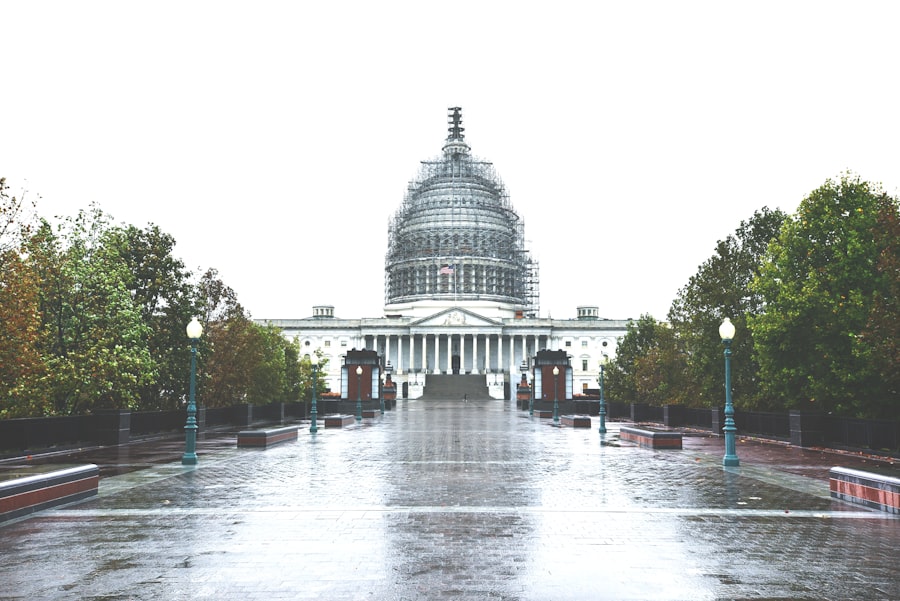
When a government shutdown occurs, its immediate impact is felt across various sectors of government services. You may be surprised to learn that while essential services like national security and public safety continue to operate, many other functions come to a grinding halt. Federal employees deemed non-essential are furloughed, meaning they are sent home without pay until the situation is resolved.
This can lead to significant disruptions in services that citizens rely on daily. For instance, you might find that national parks close their gates, passport processing slows down, and various federal programs are suspended. The effects can be particularly pronounced in areas like healthcare and social services, where delays can have serious consequences for vulnerable populations.
As you consider these impacts, it becomes evident that a government shutdown is not just an abstract political issue; it has real-world implications for individuals and families who depend on government support.
Efforts to End the Shutdown
| Effort | Progress |
|---|---|
| Negotiations | Ongoing |
| Legislative Proposals | Introduced |
| Public Statements | Varied |
In the wake of a government shutdown, efforts to resolve the impasse typically begin almost immediately. You may observe that lawmakers from both parties often engage in negotiations behind closed doors, seeking common ground to end the stalemate. These discussions can be fraught with tension, as each side attempts to protect its interests while also addressing the urgent need for government services to resume.
Public pressure can also play a significant role in these efforts. As citizens express their frustration over the shutdown’s impact on their lives, you might see grassroots movements emerge, urging lawmakers to come together and find a solution. Advocacy groups and concerned citizens often mobilize to raise awareness about specific issues affected by the shutdown, putting additional pressure on elected officials to act swiftly.
Ultimately, these combined efforts can lead to compromises and agreements that pave the way for reopening the government.
The Economic Impact of the Shutdown
The economic ramifications of a government shutdown are profound and far-reaching. You may not realize how interconnected government operations are with the broader economy until you see the effects firsthand. When federal employees are furloughed or forced to work without pay, their spending power diminishes significantly.
This reduction in consumer spending can ripple through local economies, affecting businesses that rely on federal workers as customers. Moreover, you might find that certain sectors experience more severe impacts than others. For example, industries tied closely to government contracts or funding may face immediate financial strain as projects are delayed or halted altogether.
The uncertainty surrounding a shutdown can also deter investment and economic growth, as businesses become wary of potential disruptions in government services or regulatory processes. As you consider these factors, it becomes clear that a government shutdown is not just a political issue; it has tangible consequences for economic stability and growth.
Public Reaction to the Shutdown
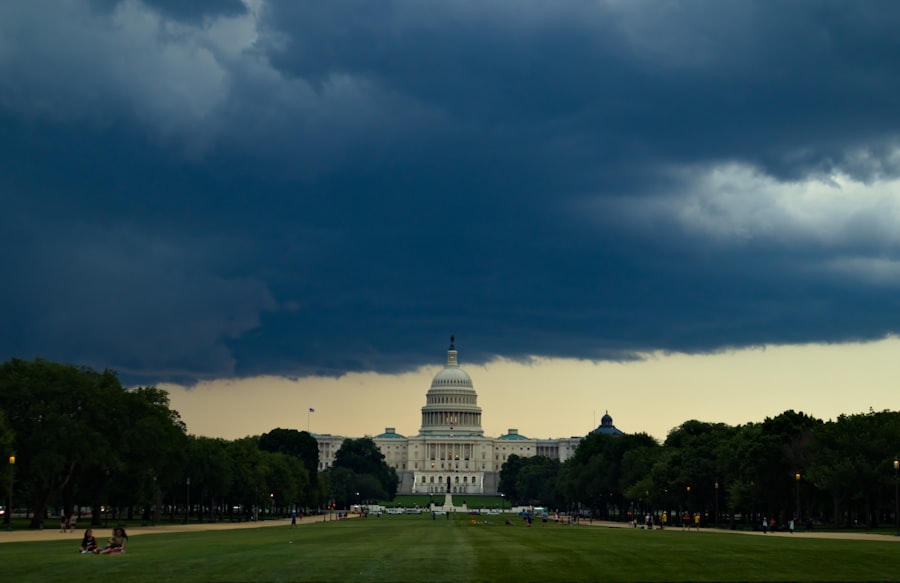
Public reaction to a government shutdown can vary widely, reflecting the diverse opinions and experiences of citizens across the nation. You may notice that some individuals express frustration and anger towards lawmakers for failing to reach an agreement, viewing the shutdown as a failure of leadership. Social media often becomes a platform for these sentiments, with hashtags and campaigns emerging to voice discontent and demand accountability from elected officials.
Conversely, there are those who may support the shutdown as a necessary measure to address perceived governmental overreach or fiscal irresponsibility. This division in public opinion can complicate efforts to resolve the situation, as lawmakers must navigate not only their own party’s priorities but also the sentiments of their constituents. As you observe these dynamics unfold, it becomes evident that public reaction plays a crucial role in shaping the narrative surrounding a government shutdown and influencing future negotiations.
The Resolution of the Shutdown
Eventually, most government shutdowns come to an end through negotiations and compromises reached by lawmakers. You might find it interesting that these resolutions often involve temporary funding measures or continuing resolutions that allow the government to reopen while further discussions continue on long-term budget agreements. This approach can provide immediate relief to federal employees and restore essential services while allowing lawmakers time to address underlying issues.
Once an agreement is reached, you may witness a flurry of activity as agencies scramble to resume operations and bring furloughed employees back to work. The reopening process can be complex, requiring coordination across various departments and agencies to ensure that services are restored efficiently. As you reflect on this resolution phase, it becomes clear that while the immediate crisis may be resolved, the underlying political tensions often remain unresolved, setting the stage for future conflicts.
Lessons Learned from the Shutdown
In the aftermath of a government shutdown, there are valuable lessons to be gleaned about governance, negotiation, and public accountability. You may recognize that one key takeaway is the importance of effective communication among lawmakers and between elected officials and their constituents. Transparent dialogue can help bridge divides and foster collaboration in times of crisis.
Additionally, you might consider how a shutdown highlights the need for more robust contingency planning within government agencies. By preparing for potential disruptions in advance, agencies can mitigate some of the negative impacts associated with a shutdown and ensure continuity of essential services. Ultimately, as you reflect on these lessons learned, it becomes clear that while government shutdowns are challenging events, they also present opportunities for growth and improvement in how governance is approached in the future.
In exploring the complexities of a government shutdown timeline, it’s essential to consider the broader context of political and economic factors that can influence such events. An insightful article that delves into these dynamics is available on Patriot Blog, which discusses the intricacies of political maneuvers and their impact on government operations. For a deeper understanding, you can read more about these issues in the article titled “They Simply Dummy the Printing” by visiting this link. This piece provides valuable insights into the underlying causes and potential consequences of government shutdowns, offering a comprehensive view of the topic.