

Political parties are fundamental components of modern governance, serving as the primary vehicles through which citizens engage with the political process. They are organized groups that seek to gain political power by contesting elections and influencing public policy. In contemporary democracies, political parties play a crucial role in shaping the political landscape, representing diverse interests, and facilitating the functioning of government.
Their existence allows for a structured approach to political discourse, enabling citizens to align with ideologies and policies that resonate with their values and beliefs. The significance of political parties extends beyond mere electoral competition; they are instrumental in mobilizing voters, articulating public concerns, and providing a framework for political debate. In many countries, parties serve as a bridge between the electorate and the government, translating public opinion into actionable policies.
This relationship underscores the importance of political parties in fostering democratic governance, as they contribute to the accountability and responsiveness of elected officials. As such, understanding the role and evolution of political parties is essential for comprehending the dynamics of modern governance.
Key Takeaways
- Political parties play a crucial role in modern governance by representing the interests of the people and providing a platform for political participation and decision-making.
- The evolution of political parties in modern governance has seen a shift from traditional ideologies to more diverse and inclusive platforms, reflecting the changing needs and values of society.
- The functions and responsibilities of political parties in modern governance include formulating policies, mobilizing public support, and holding the government accountable for its actions.
- Political parties have a significant influence on policy making in modern governance through their ability to shape public opinion, lobby for legislative changes, and negotiate with other political actors.
- Political parties play a vital role in promoting democracy in modern governance by organizing elections, fostering political debate, and ensuring the representation of diverse voices in the decision-making process.
- The challenges faced by political parties in modern governance include increasing polarization, declining public trust, and the rise of non-traditional political movements that challenge the status quo.
- The future of political parties in modern governance will likely see a continued adaptation to changing societal dynamics, with a focus on inclusivity, transparency, and responsiveness to the needs of the people.
- In conclusion, the importance of political parties in modern governance cannot be overstated, as they serve as the cornerstone of democratic societies and play a crucial role in shaping the direction of public policy and governance.
The Evolution of Political Parties in Modern Governance
The evolution of political parties can be traced back to the early days of representative democracy, where factions emerged as informal groups advocating for specific interests or ideologies. The transition from these rudimentary factions to organized political parties occurred gradually, influenced by historical events, social movements, and changes in governance structures. In the 19th century, the establishment of mass political parties marked a significant turning point, as they began to represent broader segments of society rather than elite interests alone.
This shift was particularly evident in Europe and North America, where industrialization and urbanization created new social classes with distinct political needs. As political parties evolved, they adapted to changing societal dynamics and technological advancements. The introduction of universal suffrage expanded the electorate, compelling parties to broaden their platforms to appeal to a more diverse voter base.
The rise of mass media further transformed party politics by enabling parties to communicate their messages more effectively and engage with constituents on a larger scale. In the latter half of the 20th century, the emergence of new political movements—such as environmentalism, feminism, and civil rights—challenged traditional party structures and led to the formation of new parties that sought to address specific issues. This ongoing evolution reflects the dynamic nature of political parties as they respond to societal changes and the demands of an increasingly informed electorate.
The Functions and Responsibilities of Political Parties in Modern Governance

Political parties fulfill several essential functions within modern governance that are critical for the health of democratic systems. One of their primary responsibilities is to aggregate interests and articulate policy positions that reflect the views of their constituents. By doing so, parties provide a platform for citizens to express their preferences and influence government action.
This aggregation process is vital in ensuring that diverse voices are heard in the political arena, fostering a more inclusive decision-making process. In addition to representing public interests, political parties are responsible for recruiting and nominating candidates for public office. This function is crucial for maintaining a pipeline of leadership talent within the political system.
Parties often conduct primaries or caucuses to select candidates who will run in general elections, ensuring that those who represent their platforms are aligned with party values. Furthermore, once elected, party members are expected to adhere to party discipline, working collectively to advance their shared agenda in legislative bodies. This cohesion is essential for effective governance, as it enables parties to present a united front on key issues and navigate the complexities of policymaking.
The Influence of Political Parties on Policy Making in Modern Governance
| Political Party | Policy Influence | Examples |
|---|---|---|
| Democratic Party | Strong influence on social welfare policies | Healthcare reform, environmental protection |
| Republican Party | Strong influence on economic policies | Tax cuts, deregulation |
| Green Party | Focus on environmental policies | Renewable energy, conservation |
| Libertarian Party | Advocates for limited government intervention | Reduced government spending, individual freedom |
Political parties wield significant influence over policy making in modern governance through their control over legislative agendas and their ability to mobilize support for specific initiatives. When a party holds a majority in a legislative body, it can effectively shape the policy landscape by prioritizing its agenda and pushing through legislation that aligns with its ideological stance. For instance, in the United States, the Democratic Party’s control of Congress has allowed it to advance policies related to healthcare reform and climate change, reflecting its commitment to progressive values.
Moreover, political parties play a critical role in framing public discourse around policy issues. Through strategic communication and media engagement, parties can shape how issues are perceived by the public and influence the priorities of policymakers. For example, during election cycles, parties often highlight specific issues—such as economic inequality or national security—to galvanize voter support and steer policy discussions in their favor.
This ability to frame issues not only affects electoral outcomes but also has lasting implications for policy development and implementation.
The Role of Political Parties in Promoting Democracy in Modern Governance
Political parties are integral to the promotion and sustenance of democracy in modern governance. They provide a structured mechanism for political participation, allowing citizens to engage with the democratic process through voting, activism, and party membership. By facilitating competition among different ideologies and policy proposals, parties contribute to a vibrant democratic culture where diverse perspectives can coexist and be debated.
Furthermore, political parties enhance accountability within democratic systems by providing voters with clear choices during elections. When citizens have distinct party platforms to evaluate, they can make informed decisions about which candidates best represent their interests. This accountability is reinforced by the expectation that elected officials will deliver on their party’s promises; failure to do so can result in electoral repercussions.
In this way, political parties serve as a check on government power, ensuring that leaders remain responsive to the electorate’s needs.
The Challenges Faced by Political Parties in Modern Governance
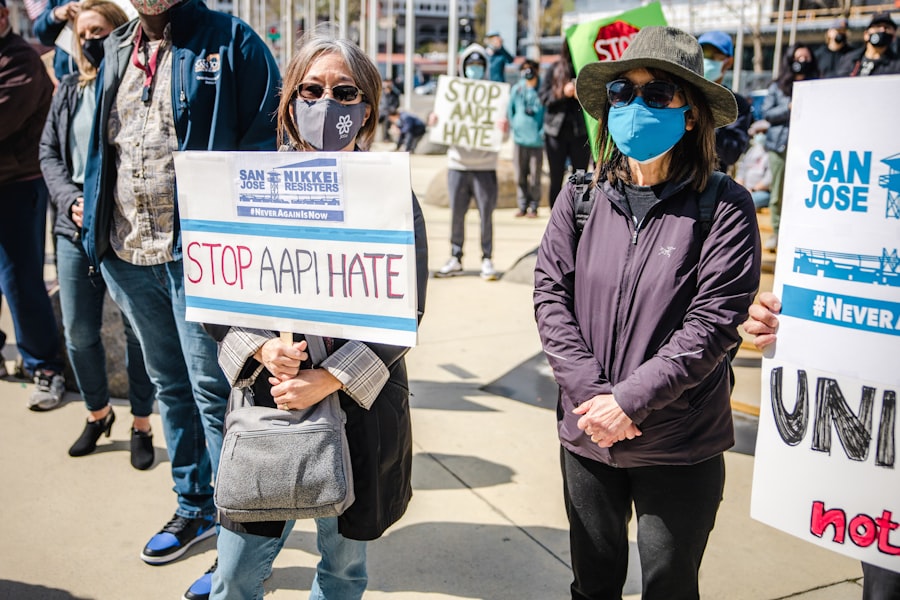
Despite their critical role in governance, political parties face numerous challenges that threaten their effectiveness and legitimacy. One significant issue is the increasing polarization within party systems, which can lead to gridlock and hinder effective policymaking. In many democracies, partisan divisions have deepened, resulting in an environment where compromise becomes increasingly difficult.
This polarization not only affects legislative processes but also contributes to public disillusionment with politics as citizens become frustrated with perceived inefficiencies. Additionally, political parties must navigate the complexities introduced by social media and digital communication. While these platforms offer new opportunities for engagement and outreach, they also present challenges related to misinformation and echo chambers.
The rapid spread of false information can distort public perceptions of parties and their candidates, complicating efforts to build trust with constituents. Moreover, the rise of populist movements has led some voters to reject traditional party structures altogether, seeking alternatives that promise more direct representation or challenge established norms.
The Future of Political Parties in Modern Governance
Looking ahead, the future of political parties in modern governance will likely be shaped by ongoing societal changes and technological advancements. As demographics shift and new generations enter the electorate, parties will need to adapt their platforms and strategies to remain relevant. Issues such as climate change, social justice, and economic inequality are expected to dominate political discourse in the coming years, compelling parties to address these concerns proactively.
Moreover, the increasing importance of digital engagement will necessitate that political parties develop innovative approaches to connect with voters. Embracing technology for grassroots organizing, fundraising, and communication will be essential for reaching younger constituents who are more accustomed to online interactions than traditional campaigning methods. Additionally, as global challenges become more interconnected—such as pandemics or climate crises—political parties may need to collaborate across borders and ideological lines to develop comprehensive solutions that transcend national boundaries.
The Importance of Political Parties in Modern Governance
Political parties remain indispensable actors in modern governance, serving as conduits for public engagement and facilitators of democratic processes. Their evolution reflects broader societal changes and highlights their adaptability in responding to new challenges. As they continue to navigate complex political landscapes marked by polarization and technological disruption, their ability to represent diverse interests while promoting accountability will be crucial for sustaining democratic governance.
In essence, political parties not only shape policy outcomes but also embody the principles of democracy itself by providing citizens with avenues for participation and representation. Their role in modern governance underscores the necessity of maintaining robust party systems that can effectively respond to the needs of an evolving electorate while upholding democratic values.
If you’re interested in learning more about the inner workings of political parties, you may want to check out the article “They Simply Dummy the Printing.” This piece delves into the tactics and strategies used by political parties to sway public opinion and gain support. It offers valuable insights into the ways in which parties shape their messaging and target specific demographics. Additionally, you may also find “They Simply Dummy the Printing 3” to be a useful resource on this topic. Alternatively, if you’re looking for a more general overview of political dynamics, you might want to read “Hello World,” which provides a broad perspective on the current state of politics.