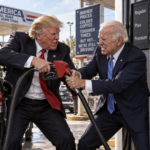

The rise of Donald Trump as a political figure has been nothing short of extraordinary, captivating millions and reshaping the landscape of American politics. His appeal transcends traditional party lines, drawing in supporters from various backgrounds and ideologies. At the core of this phenomenon lies a unique blend of charisma, populism, and a message that resonates with a significant portion of the American populace.
Trump’s ability to communicate directly with his audience, often bypassing conventional media channels, has allowed him to cultivate a loyal following that feels personally connected to his narrative. Moreover, Trump’s rhetoric often taps into a sense of nostalgia for a perceived better past, promising to restore America to its former glory. This message resonates particularly well with individuals who feel left behind by globalization and technological advancements.
His straightforward, often brash communication style appeals to those who are tired of political correctness and seek authenticity in their leaders. The Trump phenomenon is not merely about one man; it represents a broader movement that challenges the status quo and seeks to redefine what it means to be an American in the 21st century.
Key Takeaways
- The Trump Phenomenon: Exploring the Appeal
- Trump’s appeal lies in his ability to connect with voters who feel disenfranchised and overlooked by the political establishment.
- Demographics of Trump Supporters: Who Are They?
- Trump supporters come from diverse backgrounds, including working-class individuals, rural residents, and some minority groups.
- Understanding the Economic Concerns of Trump Supporters
- Many Trump supporters are motivated by economic anxiety, feeling left behind by globalization and technological advancements.
- The Role of Social and Cultural Factors in Trump Support
- Social and cultural factors, such as concerns about immigration and changing demographics, play a significant role in driving support for Trump.
- The Influence of Media and Information Sources on Trump Supporters
- Trump supporters often rely on conservative media outlets and social media for information, leading to a distinct worldview and set of beliefs.
- Addressing Misconceptions and Stereotypes about Trump Supporters
- It’s important to challenge stereotypes and misconceptions about Trump supporters to foster understanding and dialogue.
- Exploring the Role of Fear and Anger in Trump Support
- Fear of change and anger towards the political establishment are powerful emotions that drive support for Trump.
- Bridging the Divide: Finding Common Ground with Trump Supporters
- Finding common ground with Trump supporters requires empathy, understanding, and a willingness to engage in respectful dialogue.
Demographics of Trump Supporters: Who Are They?
The demographics of Trump supporters are as diverse as the nation itself, encompassing a wide range of age groups, educational backgrounds, and socioeconomic statuses. While many might stereotype his base as predominantly white, working-class males, research indicates that his support extends beyond these boundaries. Women, minorities, and younger voters have also rallied behind Trump, drawn by various aspects of his platform and personality.
This diversity highlights the multifaceted nature of his appeal and underscores the complexity of American political identity. In particular, rural voters have shown strong support for Trump, often feeling neglected by urban-centric policies and political discourse. These individuals frequently express concerns about economic stagnation in their communities and a desire for policies that prioritize their needs.
Additionally, Trump’s appeal among certain minority groups, such as Hispanic and Black voters, challenges the conventional wisdom that these demographics uniformly oppose him. This complexity illustrates that understanding Trump supporters requires a nuanced approach that considers the varied motivations and experiences that shape their political choices.
Understanding the Economic Concerns of Trump Supporters

Economic anxiety plays a pivotal role in the support for Donald Trump among his followers. Many supporters express feelings of disenfranchisement stemming from job losses due to globalization and automation. The decline of traditional industries, such as manufacturing, has left many communities struggling to adapt to a rapidly changing economic landscape.
Trump’s promises to bring back jobs and prioritize American workers resonate deeply with those who feel their livelihoods are threatened by external forces. Furthermore, Trump’s focus on trade policies that favor American interests appeals to individuals who believe that previous administrations have neglected their economic well-being. His rhetoric surrounding tariffs and renegotiating trade agreements strikes a chord with those who feel that their voices have been ignored in favor of corporate interests.
By positioning himself as a champion of the working class, Trump has successfully tapped into the economic concerns that drive many of his supporters’ political affiliations.
The Role of Social and Cultural Factors in Trump Support
| Factors | Metrics |
|---|---|
| Ethnicity | Percentage of white voters supporting Trump |
| Education | Level of education among Trump supporters |
| Religion | Percentage of evangelical Christians supporting Trump |
| Income | Income level of Trump supporters |
| Geography | Regional distribution of Trump support |
Beyond economic issues, social and cultural factors significantly influence support for Donald Trump. Many of his followers feel a deep-seated concern about cultural changes in America, including shifts in demographics, values, and social norms. This sense of cultural displacement often manifests as a desire to preserve traditional American values, which they perceive as being under threat from progressive movements.
Trump’s rhetoric frequently reinforces these sentiments, framing his campaign as a battle for the soul of the nation. Additionally, issues such as immigration and law enforcement resonate strongly with Trump’s base. Many supporters view immigration as a direct challenge to their way of life and express concerns about safety and security in their communities.
Trump’s hardline stance on immigration appeals to those who feel that their cultural identity is being eroded by an influx of newcomers. This intersection of social and cultural factors creates a potent mix that fuels support for Trump among various segments of the population.
The Influence of Media and Information Sources on Trump Supporters
The media landscape plays a crucial role in shaping the perceptions and beliefs of Trump supporters. Many individuals within this demographic gravitate toward alternative media sources that align with their views, often distrusting mainstream outlets they perceive as biased or untrustworthy. This phenomenon has led to the rise of echo chambers where individuals consume information that reinforces their existing beliefs rather than challenging them.
As a result, misinformation can spread rapidly within these circles, further entrenching support for Trump. Social media platforms have also become vital tools for mobilizing support and disseminating information among Trump’s base. The ability to share content quickly and engage in discussions allows supporters to connect with like-minded individuals across the country.
However, this reliance on social media can also contribute to polarization, as users are often exposed only to viewpoints that align with their own. Understanding the influence of media on Trump supporters is essential for comprehending the dynamics of contemporary political discourse in America.
Addressing Misconceptions and Stereotypes about Trump Supporters

Trump Supporters: Beyond the Stereotypes
The Complexity of Trump Supporters
Misconceptions and stereotypes about Trump supporters abound, often painting them as uneducated or bigoted individuals lacking critical thinking skills. However, such generalizations fail to capture the complexity of this diverse group. Many supporters are well-informed individuals who have carefully considered their political choices based on personal experiences and values.
The Importance of Understanding
Reducing them to simplistic caricatures undermines meaningful dialogue and perpetuates division within society. Moreover, it is essential to recognize that many Trump supporters are motivated by genuine concerns about their communities and the direction of the country. They may not agree with every aspect of Trump’s policies or rhetoric but find resonance in specific issues that matter to them.
Fostering Understanding through Dialogue
Engaging with these individuals on common ground rather than dismissing them outright can foster understanding and pave the way for constructive conversations about the future of American politics.
Exploring the Role of Fear and Anger in Trump Support
Fear and anger are powerful emotions that significantly influence support for Donald Trump. Many supporters express feelings of anxiety regarding economic instability, cultural changes, and perceived threats to their way of life. This emotional landscape creates fertile ground for Trump’s messaging, which often capitalizes on these sentiments by framing himself as a protector against external threats—be they economic competitors or immigrants.
Anger towards established political institutions also plays a crucial role in galvanizing support for Trump. Many individuals feel disillusioned by traditional politicians who they believe have failed to address their concerns or represent their interests. Trump’s outsider status appeals to those who crave change and view him as a disruptor willing to challenge the political establishment.
By harnessing these emotions effectively, Trump has managed to create a passionate base that rallies around him in times of uncertainty.
Bridging the Divide: Finding Common Ground with Trump Supporters
In an increasingly polarized political climate, finding common ground with Trump supporters is essential for fostering dialogue and understanding across ideological divides. Engaging in open conversations about shared values can help bridge gaps between differing perspectives. For instance, discussions around economic opportunity, community safety, and national pride can serve as starting points for collaboration rather than confrontation.
Moreover, acknowledging the legitimate concerns that drive support for Trump can pave the way for more productive interactions. By recognizing the fears and frustrations that many individuals experience—whether related to job security or cultural identity—others can approach conversations with empathy rather than judgment. Building relationships based on mutual respect can ultimately lead to more constructive discussions about policy solutions that address the needs of all Americans, regardless of their political affiliations.
In conclusion, understanding the complexities surrounding Donald Trump’s appeal requires an exploration of various factors including demographics, economic concerns, social dynamics, media influence, and emotional responses. By addressing misconceptions and seeking common ground, it becomes possible to engage meaningfully with those who support him while fostering a more inclusive political discourse in America.
If you’re a Trump supporter looking for more information on the latest news and updates, you may want to check out this article on Patriot Blog titled “They Simply Dummy the Printing”. This article delves into the intricacies of the printing industry and how it relates to current political events. It provides a unique perspective that may resonate with those who support President Trump’s policies and initiatives.